
Identify personal data processing activities
Build and maintain a structured Record of Processing Activities (ROPA) with practical guidance on key fields, processing activities, data mapping, review, and maintenance.
A Record of Processing Activities (ROPA) provides organizations with a structured view of how personal data is collected, used, stored, shared and retained across business processes.
Identify personal data processing activities

Understand data flows and purposes

Identify stakeholders and third parties

Support privacy compliance and accountability

Understand what personal data is processed across departments, systems, and business activities.

Assign ownership, document processing activities, and establish a structured record for ongoing management.

Identify gaps in data processing, retention, third-party sharing, security measures, and high-risk activities.
Keep processing information accurate and up to date through regular reviews, validation, approvals, and updates.
The Digital Personal Data Protection Act (DPDP Act) does not expressly prescribe a standalone document called a Record of Processing Activities (ROPA). However, maintaining a structured ROPA can help organizations understand, document, and continuously manage their personal data processing activities.
Note: ROPA requirements can differ depending on the privacy laws and regulatory obligations applicable to an organization.
Get practical guidance to help your organization create, review, and maintain a structured Record of Processing Activities.
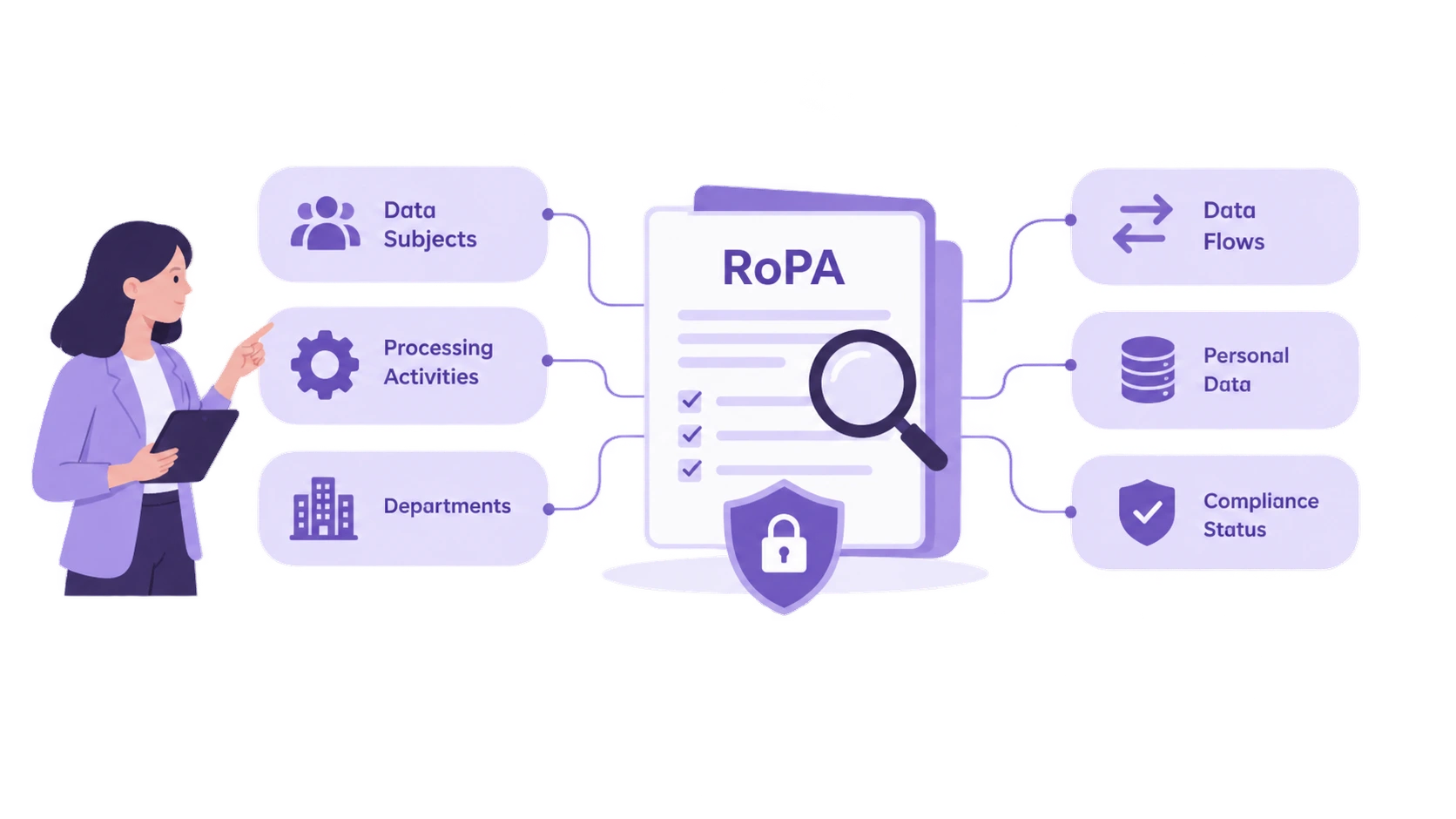
Structure, review, and maintain records of processing activities.
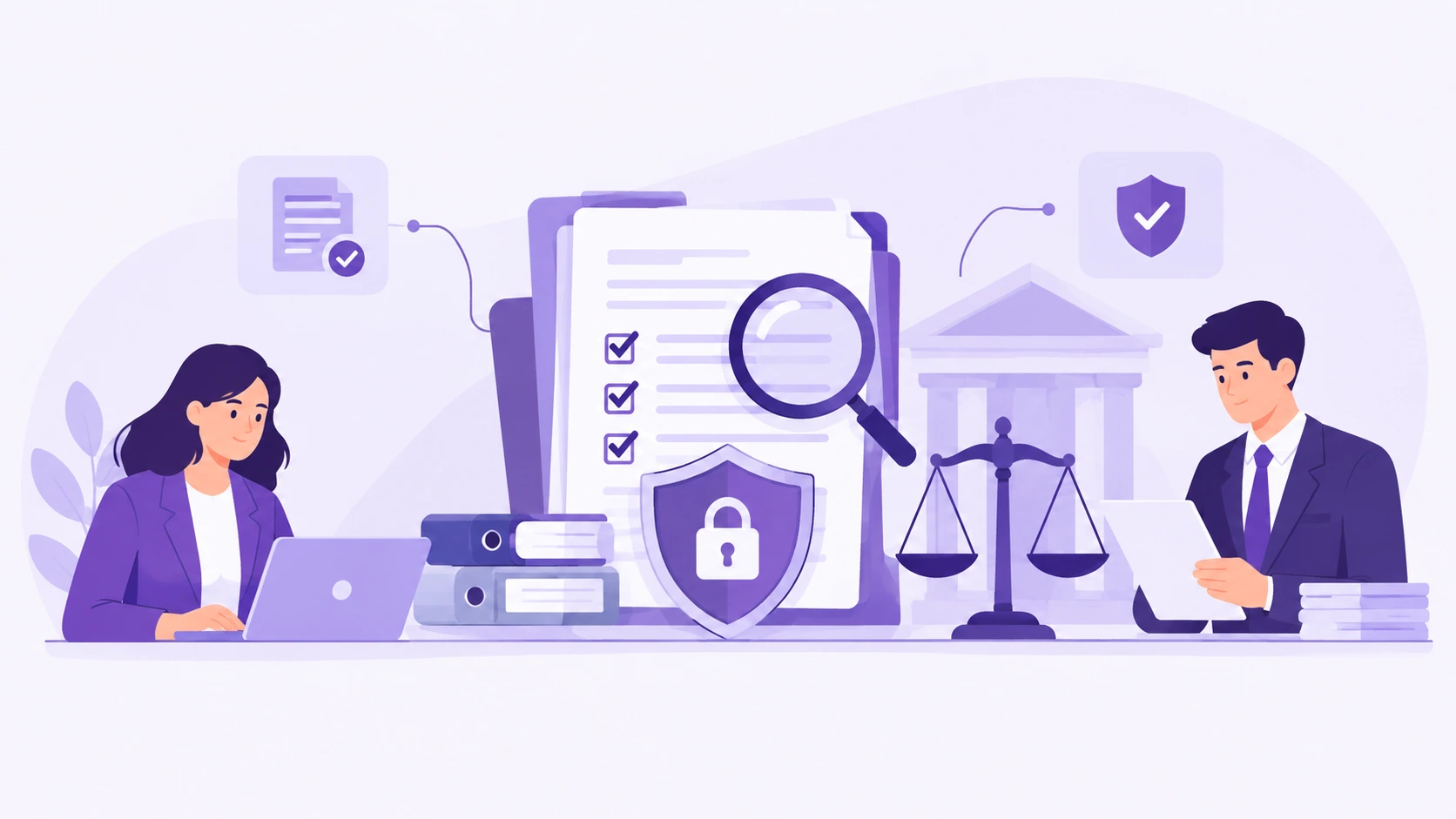
Support privacy documentation, review, and compliance activities.
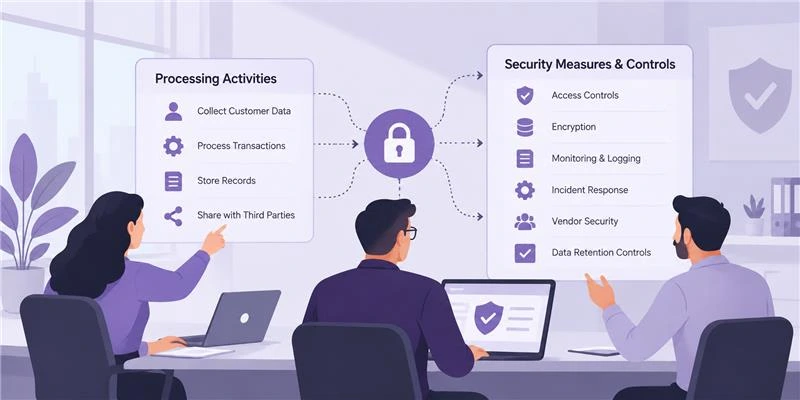
Connect processing activities with relevant security measures and controls.
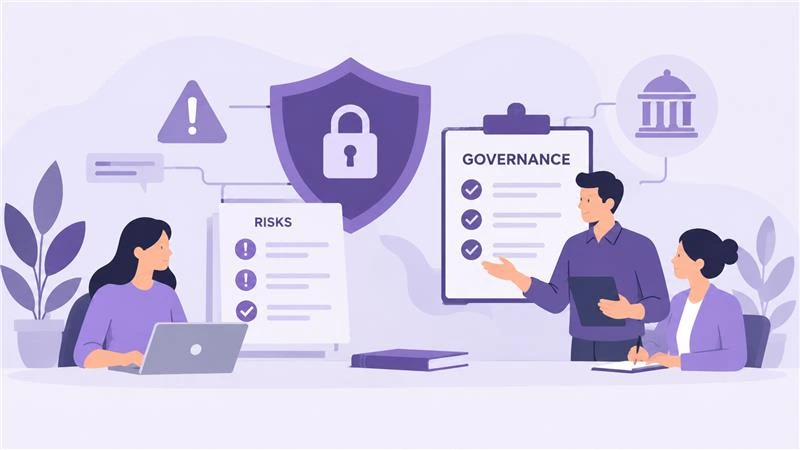
Identify processing-related risks and strengthen privacy governance.
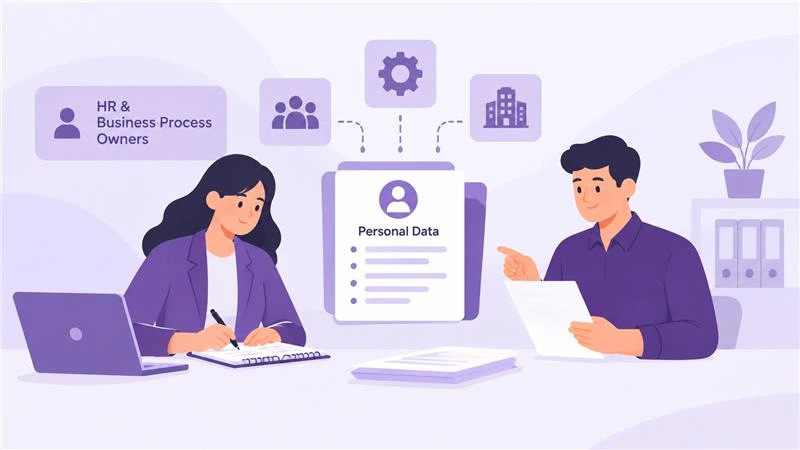
Document personal data processing within their respective functions.
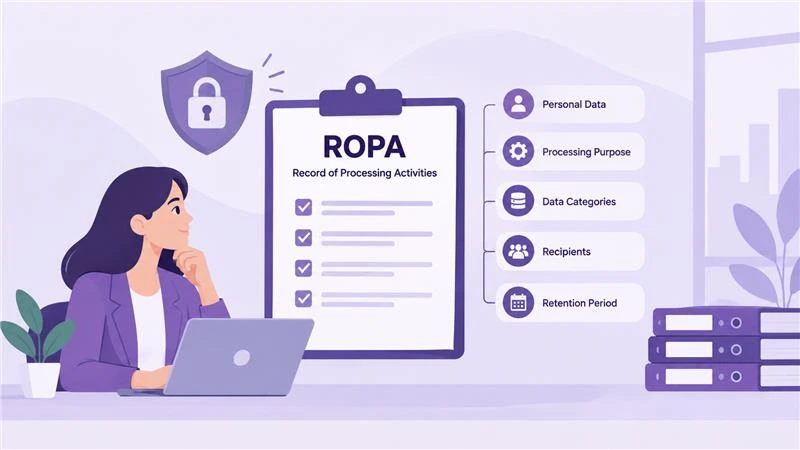
Use a structured starting point for establishing and maintaining ROPA documentation.
Get a practical guide to understanding and structuring your Record of Processing Activities.
What you'll get:
Building and maintaining a ROPA requires coordination across departments, systems, vendors, and business processes. Privacy Global can help organizations identify processing activities, structure their privacy documentation, and establish processes for ongoing review and maintenance.
Identify personal data, processing activities, systems, and data flows across your organization.
Identify privacy gaps, risks, and areas requiring stronger controls or documentation.
Build and implement a structured privacy program aligned with applicable DPDP requirements.